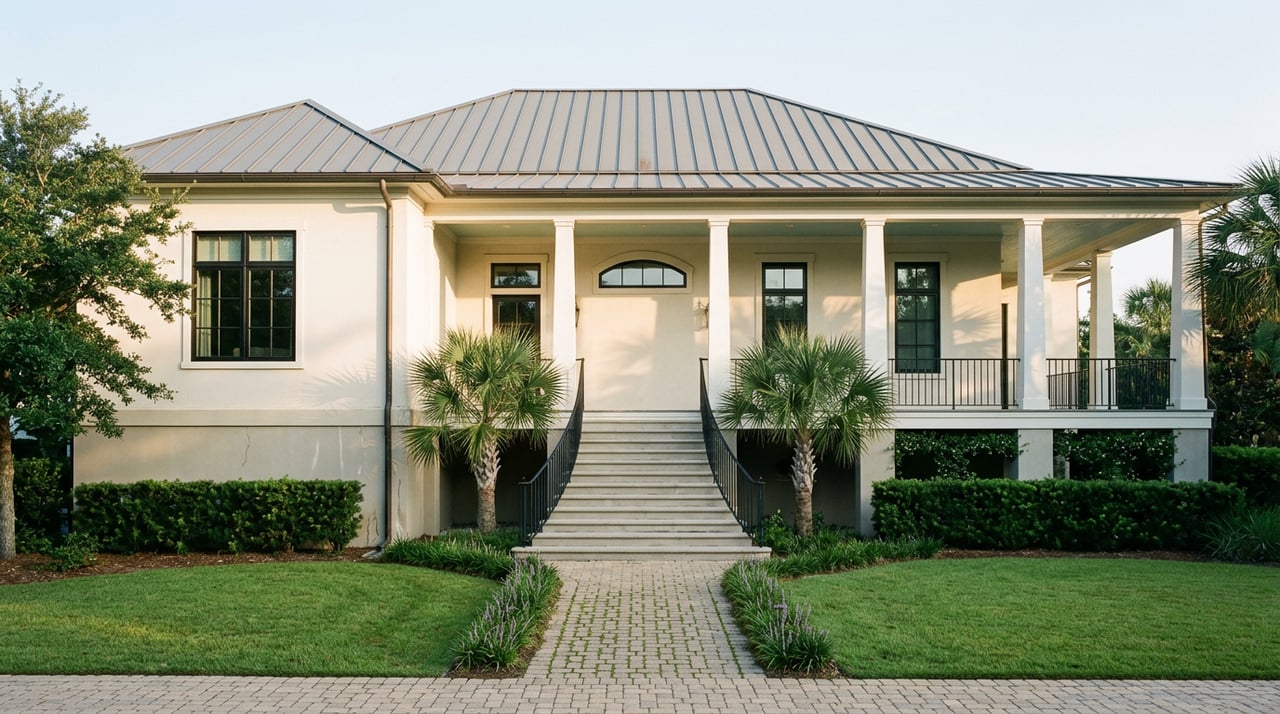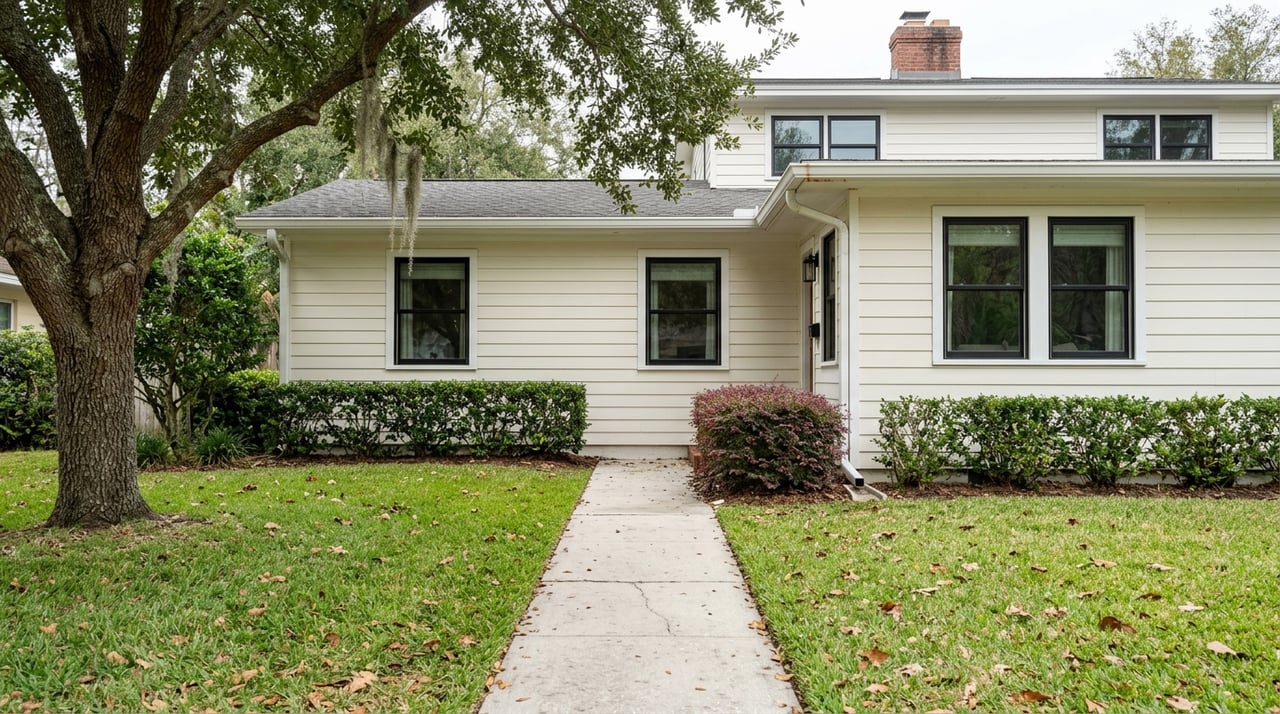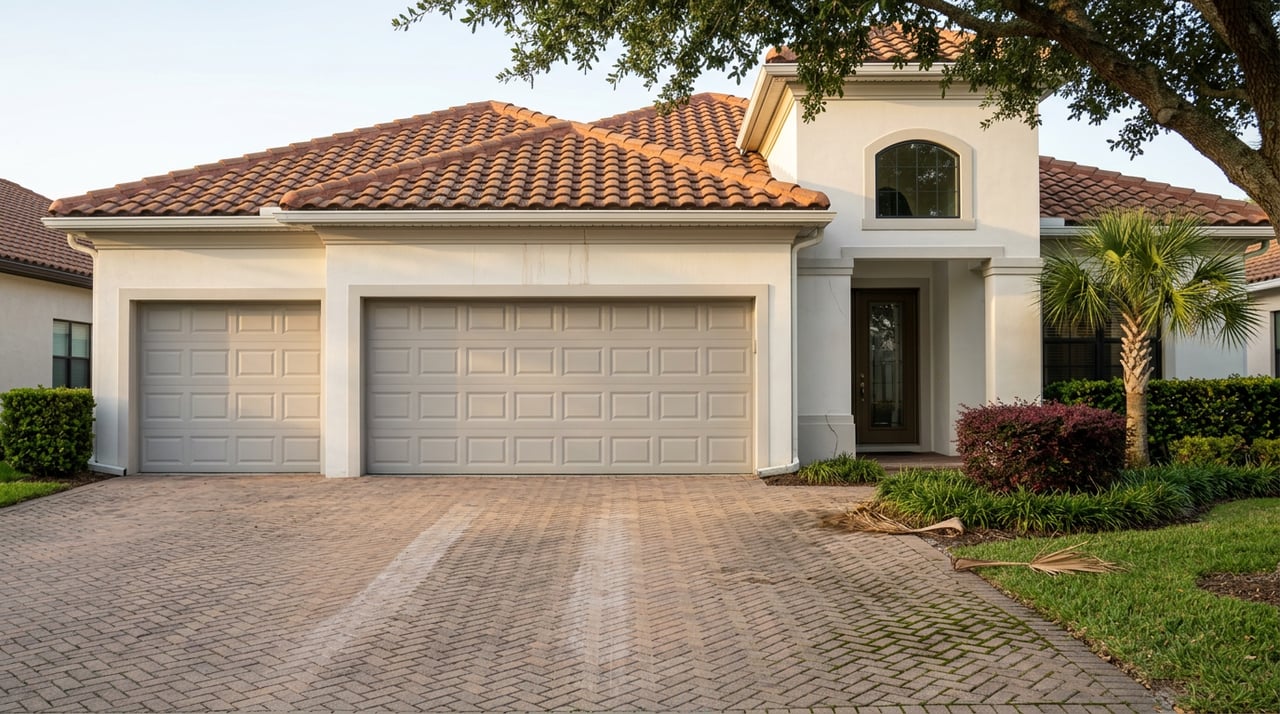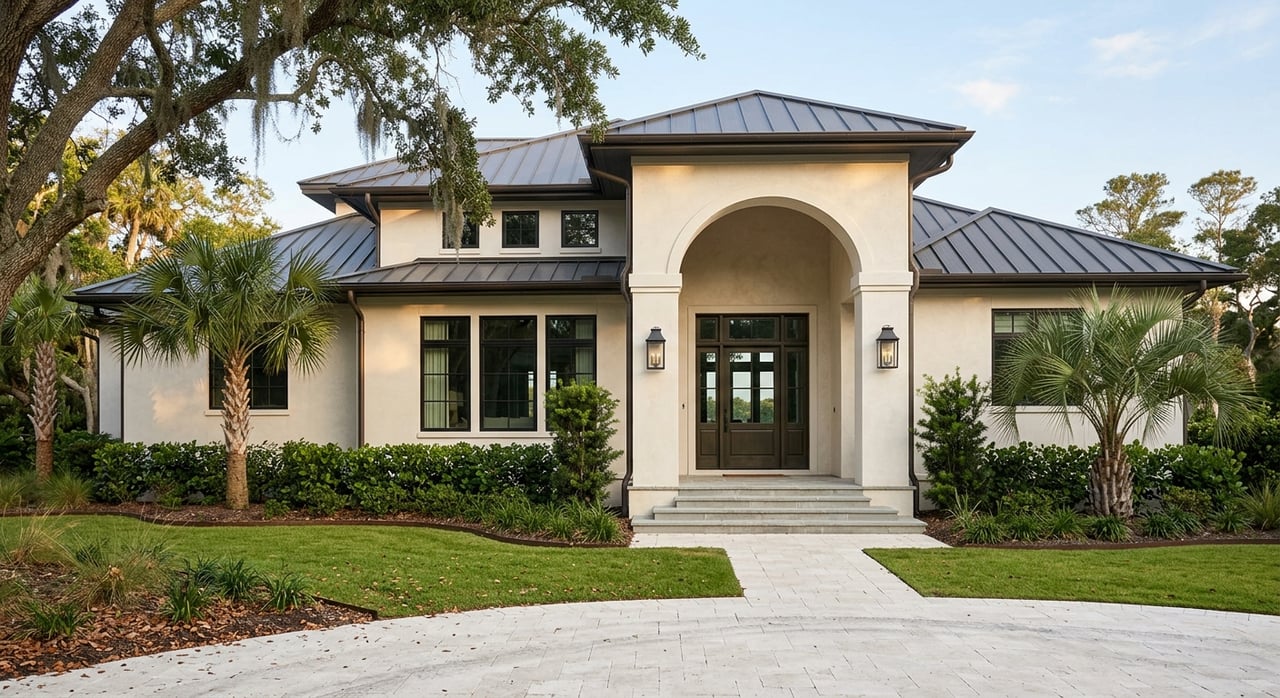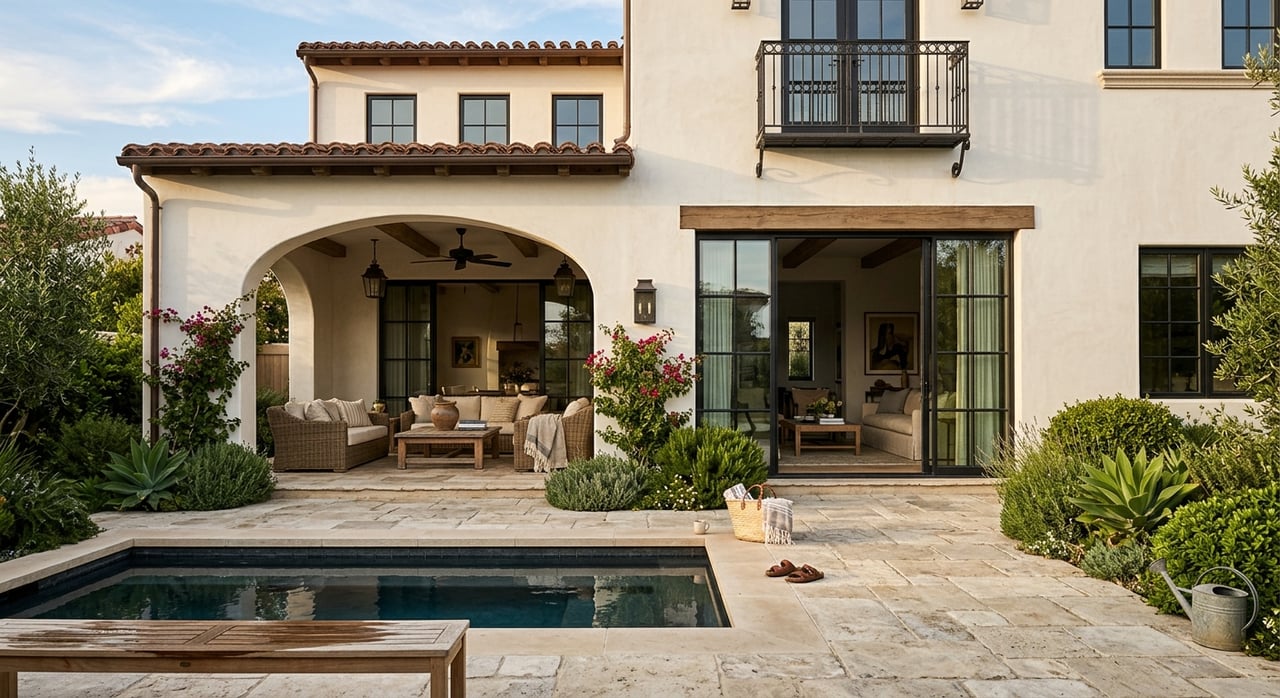
Dreaming about a place near the coast where you can slow down, enjoy history, and maybe generate rental income when you are away? Buying a second home in and around St. Augustine can be exciting, but it also comes with local rules, tax differences, and property tradeoffs that matter more than many buyers expect. If you want a home that fits your lifestyle and your long-term plans, it helps to know what to look for before you buy. Let’s dive in.
Why St. Augustine draws second-home buyers
St. Augustine offers a mix that is hard to duplicate in Northeast Florida. You get a historic setting, coastal access, and a walkable downtown that attracts visitors throughout the year. St. Johns County also identifies tourism as a major economic engine, with about $2.4 billion in annual visitor spending.
That combination can appeal to buyers in different ways. You may want a personal retreat for weekends and seasonal stays, or you may be looking for a property that could also serve as an income-producing asset if local rules allow it. In either case, the location and property type can shape your experience more than the listing photos suggest.
Another practical point is how the area functions during busy times. The historic district sees heavy foot traffic, and parking can be challenging during peak visitation periods. The city relies on garages, shuttles, and circulator service to help people move around the core, so ease of access should be part of your decision.
Start with how you plan to use it
Before you narrow your search, define the role your second home will play in your life. A home you plan to use mainly for personal visits may need different features than one you hope to rent part of the year. Your answer will affect where you buy, what you spend, and which rules matter most.
Ask yourself a few simple questions:
- How often will you stay at the property each year?
- Do you want a lock-and-leave option with lower upkeep?
- Will you need easy parking for yourself or guests?
- Are you comfortable with historic-property restrictions?
- Do you plan to rent the home for short stays?
- Are you prepared for coastal insurance and maintenance costs?
When you get clear on usage first, it becomes easier to avoid homes that look appealing online but do not fit your real goals.
Compare St. Augustine area property types
Historic-core homes
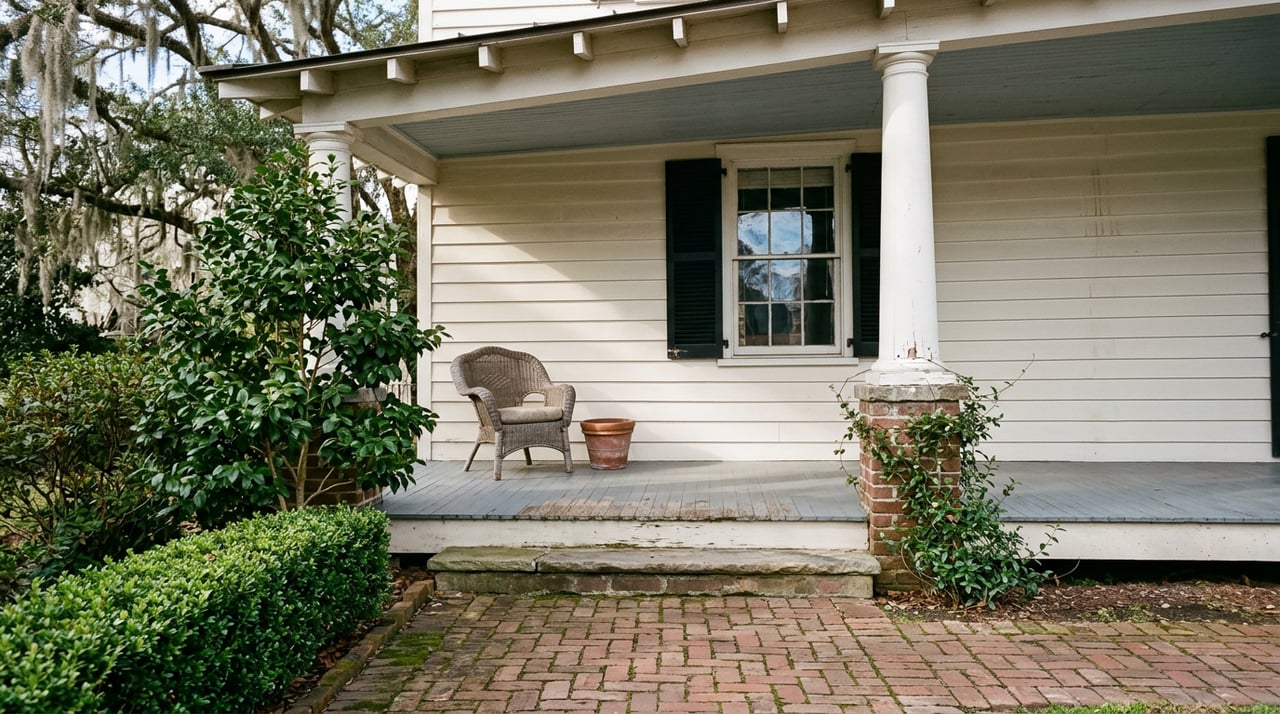
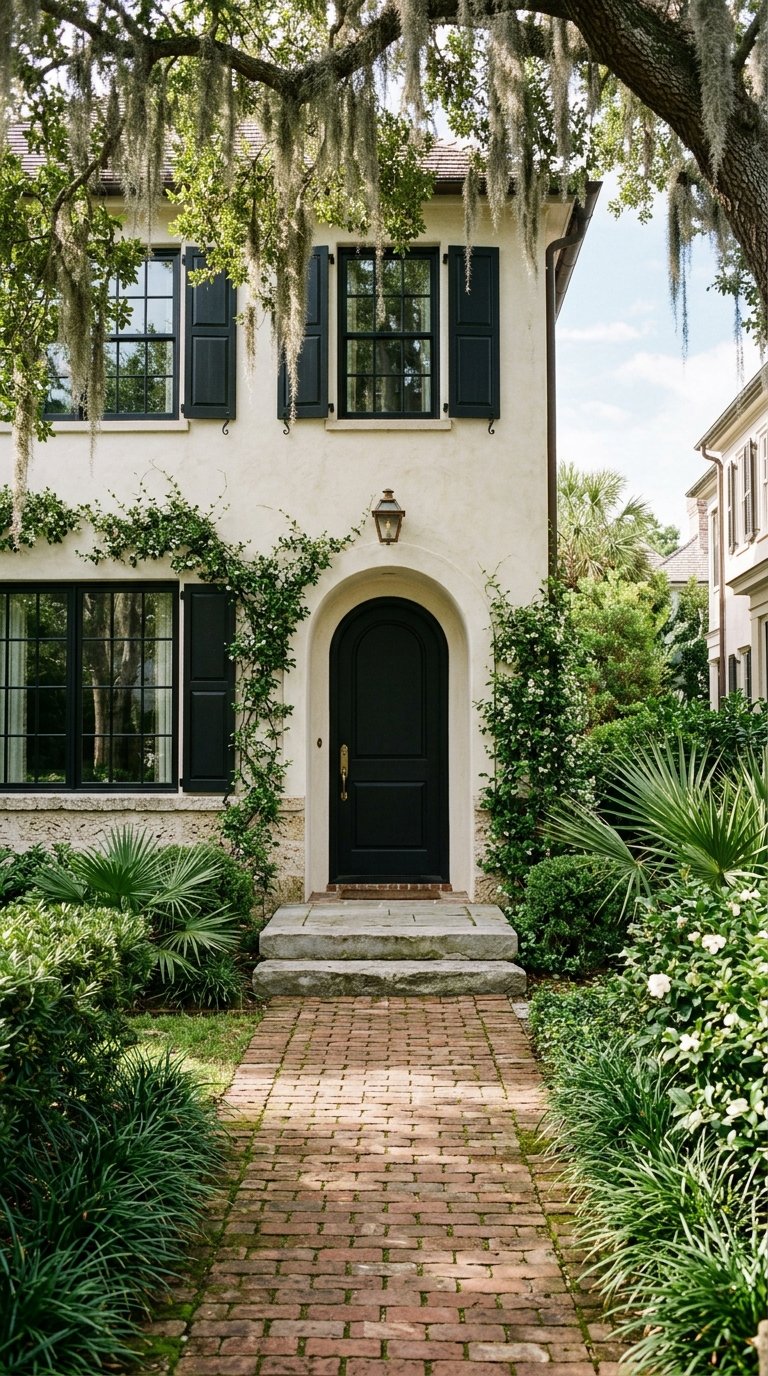
If you love character and walkability, a home in or near the historic core may be the right fit. The City of St. Augustine has five Historic Preservation zoning districts designed to protect significant buildings, sites, and cultural resources. That setting can be a major part of the appeal, especially if you want to be close to restaurants, shops, and local attractions.
Still, historic ownership often comes with added oversight. Most construction projects require permits, and structures more than 50 years old may require review by the Historic Architectural Review Board, also called HARB. If a property is older, listed, or locally designated, demolition approval may also be required before a permit can be issued.
For some buyers, that extra review is worth it for the location and charm. For others, it can feel limiting, especially if renovations are part of the plan. This is one of the most important tradeoffs to understand early.
Beach and coastal homes
If your second-home vision is more about sand, water, and a laid-back setting, the beach areas may feel like a better match. The local beach inventory includes St. Augustine Beach, Ponte Vedra Beach, Vilano Beach, Crescent Beach, Butler Beach, Mickler’s Landing, and Anastasia State Park.
Each area offers a different experience. Florida’s Historic Coast describes Vilano Beach as a quieter beach area north of town with scenic access to downtown, while Anastasia State Park includes more than 1,600 acres of beach, marsh, dunes, and trails. For many second-home buyers, these locations bring strong vacation appeal.
The tradeoff is that coastal ownership usually requires more attention to traffic, parking, maintenance, and flood risk. A home near the water can be a wonderful lifestyle purchase, but it should be evaluated with realistic carrying costs and planning in mind.
Know whether the property is in the city or county
This may sound like a small detail, but it can have a big impact on ownership and rental plans. A property inside the City of St. Augustine may be subject to different rules than a property elsewhere in St. Johns County. That includes historic-preservation requirements and short-term-rental regulations.
In practical terms, you should confirm the exact jurisdiction before you make assumptions about what you can do with the property. Two homes with similar appeal can come with very different operating rules depending on where the boundary falls. That matters for personal use, future updates, and any rental strategy.
Budget for second-home ownership carefully
Second-home costs are often higher than buyers expect, especially if they are comparing them to a primary residence. One major reason is property taxes. In St. Johns County, the homestead exemption applies only to a primary, permanent residence as of January 1.
For 2026, the full homestead exemption total is $51,411, and homesteaded properties also receive Save Our Homes protection. A second home does not get that same primary-residence benefit, so you should model taxes differently from the start. For more precise estimates, St. Johns County points owners to its tax estimator tools and TRIM notices instead of relying on asking price alone.
Beyond taxes, your carrying costs may include:
- Homeowners insurance
- Flood insurance, if needed
- Utilities
- Routine maintenance and repairs
- Association dues, if applicable
- Lawn, exterior, or pool care, depending on the property
A second home can absolutely make sense financially and personally, but the numbers should be built on realistic local assumptions.
Take flood and evacuation planning seriously
In coastal Florida, flood due diligence is not optional. FEMA notes that flood insurance is separate from standard homeowners insurance, and most homeowners policies do not cover flood damage. If a home is in a Special Flood Hazard Area and financed with a federally backed loan, flood insurance is generally required.
Timing matters too. FEMA also states that National Flood Insurance Program coverage typically has a 30-day waiting period, which means you do not want to leave this question until the last minute. In St. Johns County, buyers can use the county GIS flood-zone viewer to search by address or parcel, and the county also publishes evacuation-zone information.
This is one area where you want clarity before closing, not after. A beautiful property near the coast can still be the right fit, but you should understand the insurance impact and emergency planning considerations upfront.
If you may rent the home, study local rules first
Many second-home buyers at least want the option to rent their property at some point. In the St. Augustine area, that can be possible, but the rules are local and very specific. You should confirm the current requirements for the exact property before you buy.
In St. Johns County, transient rentals of six months or less are subject to a 5% Tourist Development Tax, in addition to state sales tax and discretionary surtax. The county’s short-term-vacation-rental ordinance also emphasizes registration, health and safety standards, parking, and solid-waste requirements.
Inside the City of St. Augustine, short-term rentals must be registered and inspected annually for life safety, zoning, and property-maintenance compliance. According to the city’s current FAQ, the registration or renewal fee uses a tiered structure with a $303.03 base rate plus $79.30 per rental bedroom. The city also caps short-term-rental occupancy at 12 guests.
There are also use restrictions in certain city districts. In RS-1 and RS-2, homes rented more than four times in a calendar year must follow a 7-day minimum stay. In HP-1 zones, the minimum rental period is 30 days.
Rental potential depends on more than demand
Visitor traffic supports interest in short-term rentals, but demand alone does not guarantee a smooth ownership experience. Some homes are easier to operate than others, even when they are in popular areas. Parking, guest access, turnover logistics, and inspection compliance can all affect performance.
This is especially important in the historic district, where parking can be tight during peak periods. A property may look strong on paper, but if guests struggle with access or local operating rules create friction, the actual experience may fall short of expectations. A smart purchase balances appeal with practicality.
What a strong second-home decision looks like
The best second home in and around St. Augustine is usually the one that matches your usage pattern, your comfort with local restrictions, and your budget for ownership. Some buyers are happy to accept more oversight in exchange for historic charm and walkability. Others prefer a simpler coastal property with easier access and a more predictable maintenance routine.
If you are weighing options from afar or trying to compare city and county properties side by side, local guidance can make the process much clearer. The goal is not just to buy a beautiful home. It is to buy one that works well for the way you actually plan to use it.
If you are considering a second home in St. Augustine or anywhere in St. Johns County, working with an experienced local team can help you evaluate lifestyle fit, local rules, and true ownership costs with confidence. Connect with Shonda Campanaro for thoughtful, relationship-first guidance tailored to your goals.
FAQs
What makes St. Augustine appealing for a second home?
- St. Augustine offers a rare mix of historic character, coastal access, walkability, and strong visitor activity, which can support both personal enjoyment and rental interest depending on the property.
What should you know about buying a historic home in St. Augustine?
- Homes in the city’s Historic Preservation districts may be subject to added review for construction, redevelopment, or demolition, especially if the structure is more than 50 years old.
How are second-home property taxes different in St. Johns County?
- A second home does not qualify for the homestead exemption unless it is your primary permanent residence on January 1, so tax assumptions should be different from a homesteaded property.
What flood insurance issues matter for a St. Augustine second home?
- Flood insurance is separate from homeowners insurance, most homeowners policies do not cover flood damage, and homes in certain flood zones with federally backed loans generally require flood coverage.
Can you use a second home in St. Augustine as a short-term rental?
- Possibly, but the rules depend on whether the property is in the City of St. Augustine or elsewhere in St. Johns County, and local registration, inspection, tax, occupancy, parking, and minimum-stay rules may apply.
Why does the city-versus-county location matter for a second home near St. Augustine?
- The exact jurisdiction can affect historic-preservation requirements, short-term-rental rules, and compliance obligations, so you should verify whether the property is inside the city or in unincorporated St. Johns County before buying.