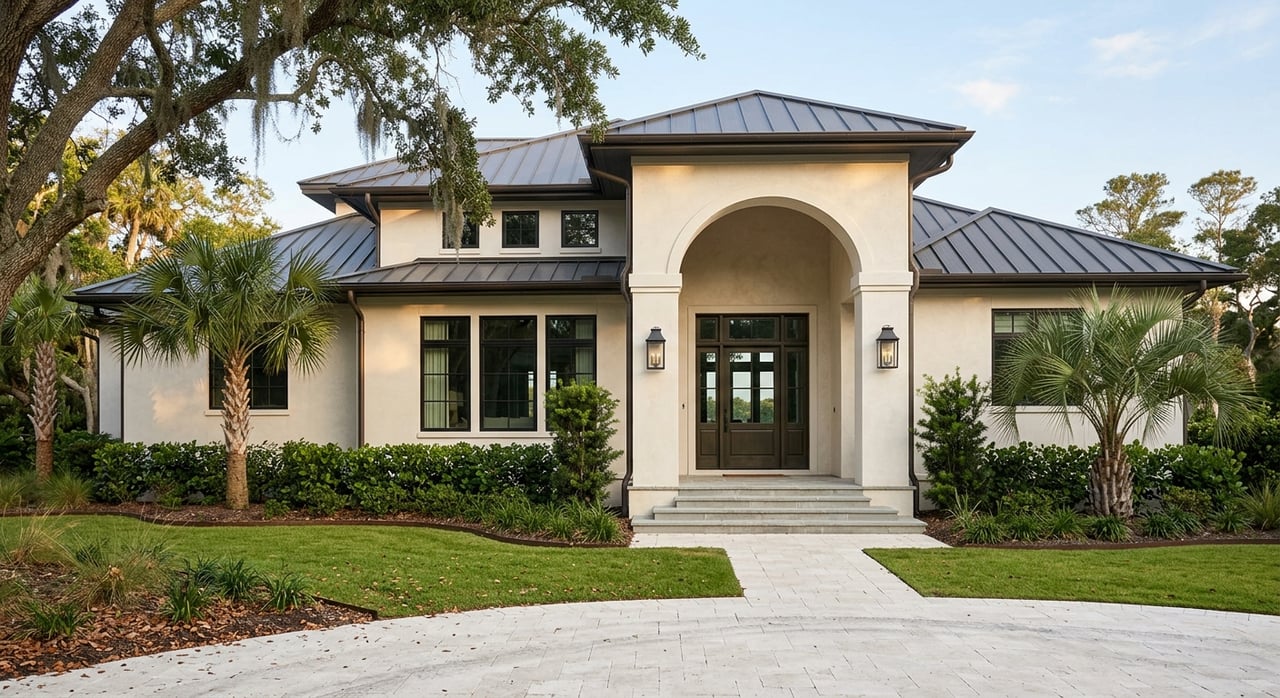
Relocating to St. Johns County can feel like a full-time job when you are already balancing work, school calendars, and a long to-do list. If you are moving with kids, you are probably asking the same practical questions most families do: Which area fits your commute, how do school zones work, and what needs to happen before closing day? This guide will help you sort through the county’s layout, timelines, and key logistics so you can make clearer decisions with less stress. Let’s dive in.
Why St. Johns County Feels Different
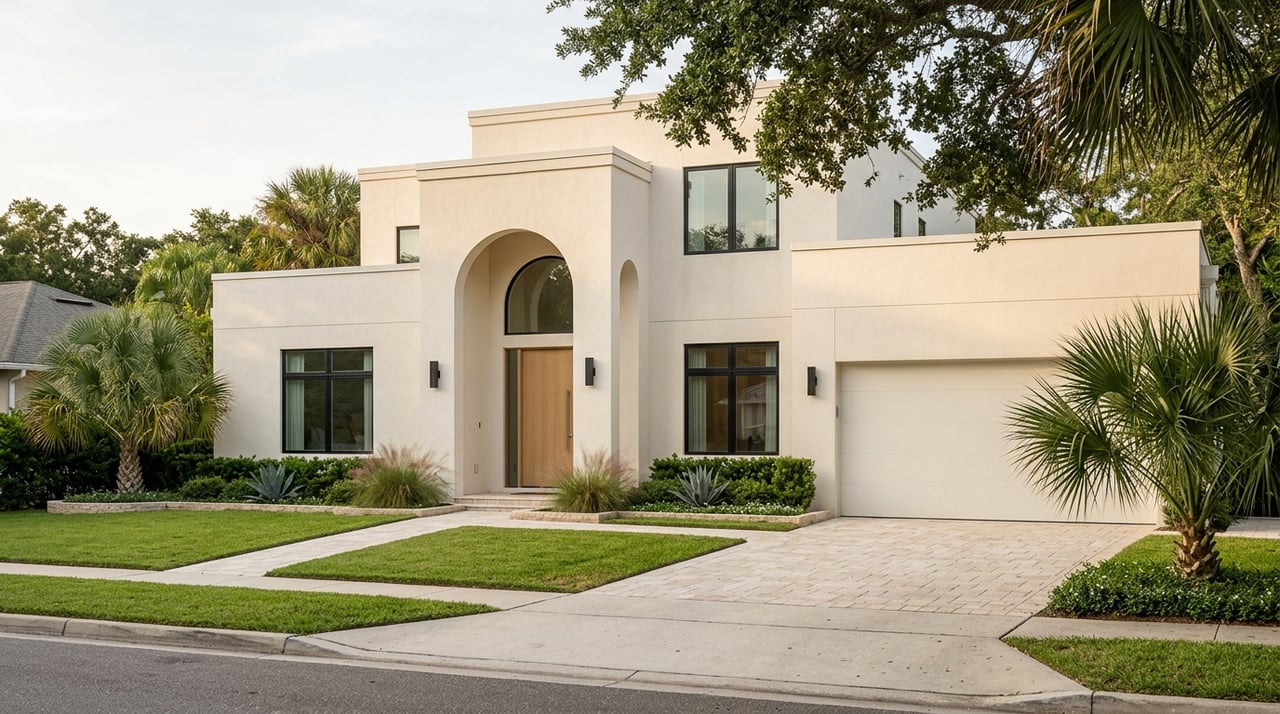
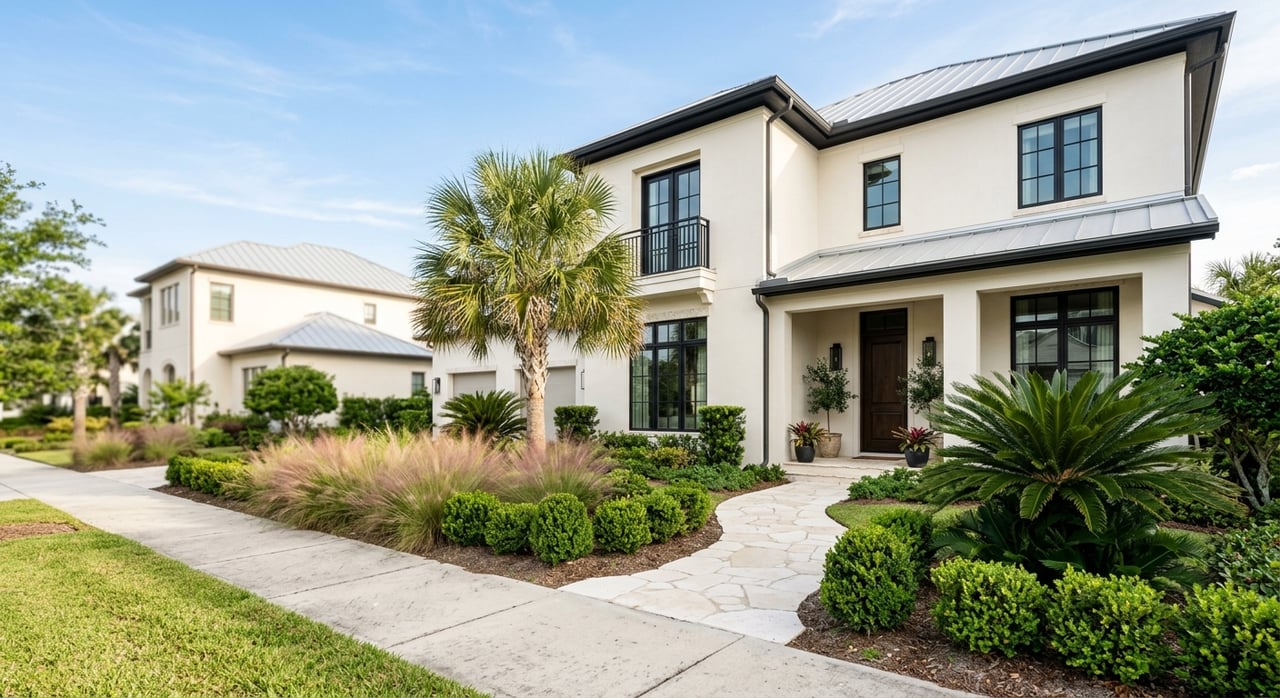
St. Johns County is not one single lifestyle or one single housing market. The county stretches from Atlantic coastal communities to mainland suburban areas to more rural western and southwestern parts of the county, with places like St. Augustine, Ponte Vedra, St. Augustine Beach, Fruit Cove, Nocatee, and Hastings all part of the picture.
That matters when you are relocating with a family because daily life can look very different from one area to the next. Your drive to work, route to school, storm planning, and even your short-term housing strategy may change depending on which part of the county you choose.
The county reports a population of 306,841 and describes St. Johns County as one of the fastest-growing counties in Florida and the United States. For busy families, that growth can mean more choices, but it also means you need a smart plan before you jump into showings or write an offer.
Start With County Geography
One of the easiest ways to narrow your search is to think in broad corridors instead of trying to compare every neighborhood at once. In St. Johns County, many relocating families find it helpful to sort options into three buckets: coastal, mainland suburban, and inland or rural areas.
Coastal areas
Coastal communities can include places tied closely to the beach and coastal corridors, such as Ponte Vedra Beach, Sawgrass, and St. Augustine Beach. These areas often come with beautiful surroundings and a very distinct day-to-day rhythm, but your routes in and out can depend heavily on bridges and major coastal roads.
Mainland suburban areas
Mainland suburban areas often appeal to families who want access to major roads, newer neighborhoods, and a practical middle ground between work, school, and daily errands. Areas connected to Nocatee, Palm Valley access points, and mainland St. Augustine often come up in this category.
Inland and western areas
Western and southwestern parts of the county can offer a different pace and a different commute pattern. If you are looking for more space or a less coastal setting, these areas may belong on your list, but they should still be evaluated through the lens of drive times, school zoning, and route options.
The county GIS department notes that its 2025 road atlas includes more than 130 color map pages and a street index. For relocating families, a detailed county map can be a very practical starting point when you are comparing commute corridors, school-zone questions, and overall neighborhood fit.
Plan Around Real Commute Corridors
If you or your partner will be commuting, St. Johns County is a place where roads matter. The main corridors that appear repeatedly in county transportation and evacuation guidance include I-95, US-1, SR-A1A, CR-210, SR-16, SR-312, SR-207, and SR-13.
The county profile also shows a broad mix of local employment, including major jobs in education, healthcare, county government, defense, hospitality, and professional services. Large listed employers include St. Johns County School District, UF Health St. Johns, St. Johns County government, Northrop Grumman, PGA TOUR, and Florida National Guard Headquarters.
For many households, Jacksonville access is part of the equation too. County evacuation guidance shows that some inland residents may look north into Duval County via SR-13, which reinforces how important regional access can be when you choose where to live.
Quick area-by-area commute view
Here is a simple way to think about common route patterns based on county guidance:
- Ponte Vedra Beach and Sawgrass: often rely on SR-A1A and Butler Boulevard to connect toward I-95
- Palm Valley and Nocatee: often depend on CR-210 and I-95
- St. Augustine Beach: often uses SR-312, the bridge connection, and SR-207 toward I-95
- Mainland St. Augustine and some western areas: often use US-1, SR-16, SR-207, or I-95
This does not mean one area is always easier than another. It means your best fit depends on where you need to go most often and how much daily drive time you are comfortable with.
Get School Timing Right Early
For many relocating families, the school calendar shapes the move more than the housing search does. St. Johns County School District posts long-range calendars, which can be very helpful if you are trying to coordinate a move around school breaks or the start of the year.
On the 2025-2026 master calendar, students report to class on August 11, 2025. Winter break runs from December 22, 2025 through January 1, 2026, spring break runs March 16 through March 20, 2026, and the last student day is May 29, 2026.
The district also notes that calendars must meet statutory requirements, including 180 school days. That kind of structure can help you map out your closing date, temporary housing plan, and enrollment timeline with fewer surprises.
Early-release schedules matter too
If you are a dual-income household, school dismissal times can affect much more than your afternoon routine. The 2026-2027 calendar shows a weekly early-release pattern, with elementary schools dismissing at 1:45, middle schools at 12:50, and high schools at 2:50.
That is the kind of detail families often wish they knew sooner. If you will need after-school care or a tighter pickup schedule, it is smart to factor that into your home search and work commute from the beginning.
Verify School Zones Before You Offer
School zoning is one of the biggest relocation pressure points in St. Johns County, and it is important to understand how the district handles it. The district says all students must register at their home-zoned school, and the Attendance Zone Locator is used to identify the correct school based on the student’s primary residence address.
If you own more than one home in St. Johns County, the district says the property with the Homestead Exemption is used for zoning. For buyers moving from out of state or from another part of Florida, this is one reason it is so important to verify school-zone logistics before you finalize a purchase.
Future addresses do not count yet
A common mistake is assuming you can register a child based on a home that has not closed yet. The district says a child cannot be registered for a future home’s zoned school until there is a signed closing statement or a current lease.
If you are living temporarily in St. Johns County while you search or wait for closing, the district says an out-of-zone hardship waiver may be available in some cases. For busy families, that can be an important bridge between move-in timing and school timing.
Gather Documents Before The Move
The easiest relocation moves usually happen when families collect paperwork early. In St. Johns County, school registration and home closing logistics can move faster when your documents are already organized.
Documents for school registration
For homeowners, the district says you will need:
- A current mortgage or HUD statement
- A deed
- A current utility bill
- Identification
- One additional address document
For renters, the district says you will need:
- A current lease
- A utility bill
- Identification
- One additional address document
The district also says a student cannot start school until both the physical and the Florida 680 immunization record have been submitted. If school enrollment is part of your relocation deadline, this paperwork should be on your checklist well before move week.
Remote Closings Can Help Busy Families
If you are buying from out of state, you may be wondering whether you need to fly in for closing. Florida law authorizes online notarization, which means a Florida online notary may perform an online notarization using audio-video technology, and the signer may appear remotely.
The law also says a notary who is physically located in Florida may notarize even if the principal or witnesses are outside the state. For relocating families, that creates flexibility and can make it easier to keep your move on schedule.
That said, the transaction still depends on the process used by your lender, title company, and closing team. The legal framework supports remote notarization in Florida, but the practical workflow still needs to be confirmed early in the transaction.
Use Temporary Housing Strategically
Temporary housing can be more than a backup plan. For many families, it is the best way to bridge the gap between a school start date, a closing timeline, and the reality of relocating across state lines.
This can be especially useful because the school district ties enrollment to a current lease or signed closing statement. If your long-term home is not ready yet, a temporary in-county residence may help create a more workable transition while you finalize the next step.
Think about routes and evacuation planning
If you are considering a short-term stay in a coastal part of the county, it is worth reviewing evacuation routes as part of your planning. County guidance shows that different areas depend on different bridges and corridors, which can affect both storm preparation and everyday travel.
For families, this is not just a weather issue. It is also a practical lifestyle issue that connects to commuting, school pickups, and how easily you can move around during a busy week.
A Simple Relocation Framework
When you are trying to make a smart decision quickly, it helps to keep your process simple. Instead of starting with house photos, start with the routines your family needs to protect.
Use this framework as you compare St. Johns County options:
- Map the commute first using your most common destinations
- Verify the school zone using the district’s zoning tools and current address rules
- Check the calendar for school start dates, breaks, and early-release patterns
- Organize documents early for both closing and enrollment
- Decide if temporary housing will reduce stress or protect your timeline
- Confirm remote closing options with your closing team if you are moving from out of state
This approach can save you time and help you avoid decisions that look good online but do not work well in daily life.
Relocating to St. Johns County is easier when you treat it like a lifestyle decision, not just a home search. The right area for your family will come down to how you want your mornings, afternoons, and workweek to function. If you want calm, strategic guidance as you compare communities, school logistics, and timing, Shonda Campanaro can help you build a relocation plan that fits real life.
FAQs
How do families choose the best part of St. Johns County?
- Start by comparing coastal, mainland suburban, and inland areas based on your commute, school zoning needs, and daily route preferences.
How do relocating buyers verify a St. Johns County school zone?
- St. Johns County School District says students register at their home-zoned school, and the Attendance Zone Locator identifies the correct school based on the primary residence address.
Can a child enroll in a St. Johns County school before closing on a house?
- No. The district says a child cannot be registered for a future home’s zoned school until there is a signed closing statement or a current lease.
What documents do families need for St. Johns County school registration?
- Homeowners and renters need specific proof-of-residency documents, and students also need a physical and a Florida 680 immunization record before they can start school.
Can an out-of-state buyer close remotely on a St. Johns County home?
- Florida law authorizes online notarization, which can support remote closings, but the lender, title company, and closing team still need to support that process.
Why do evacuation routes matter when moving to St. Johns County?
- County guidance shows that different parts of St. Johns County rely on different bridges and road corridors, which can affect both storm planning and everyday travel.