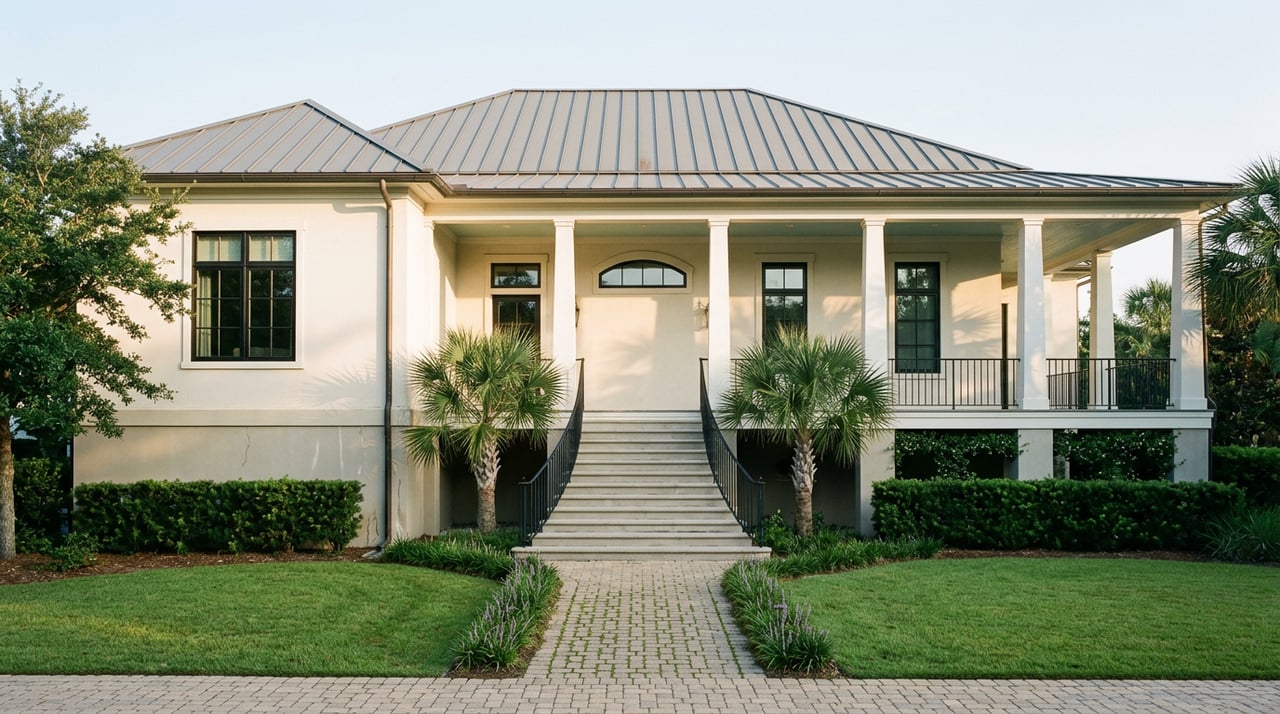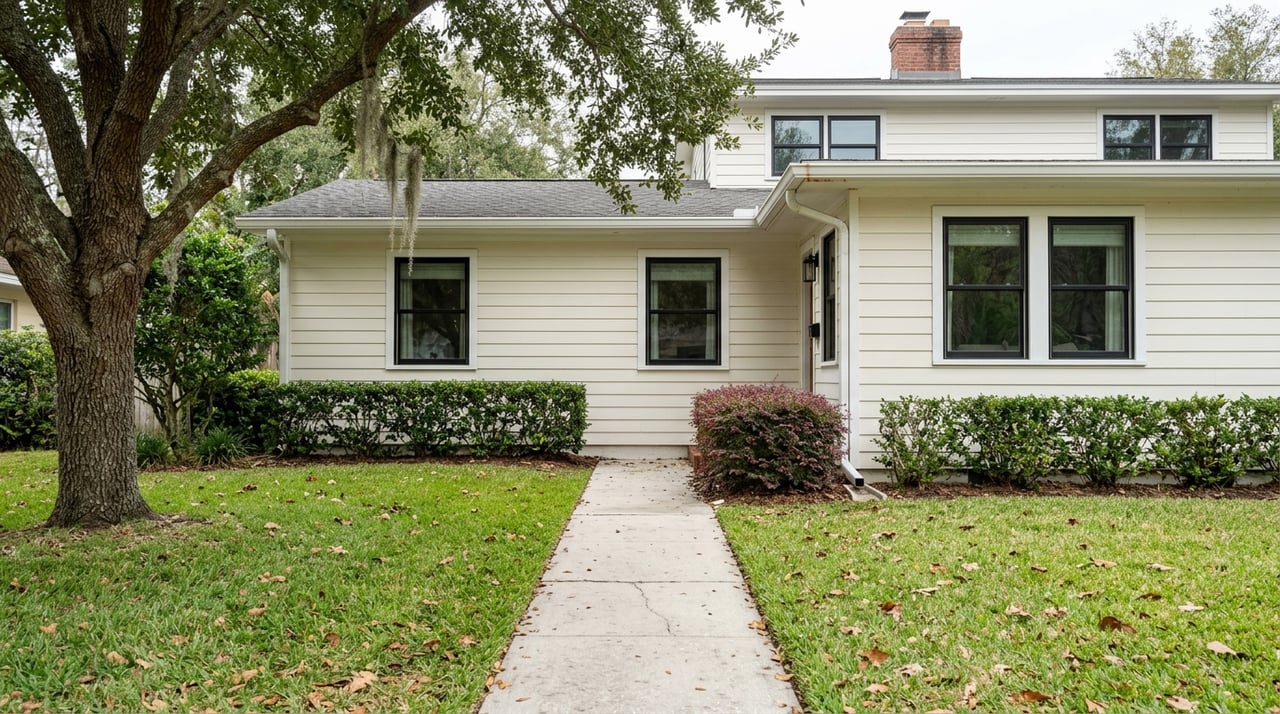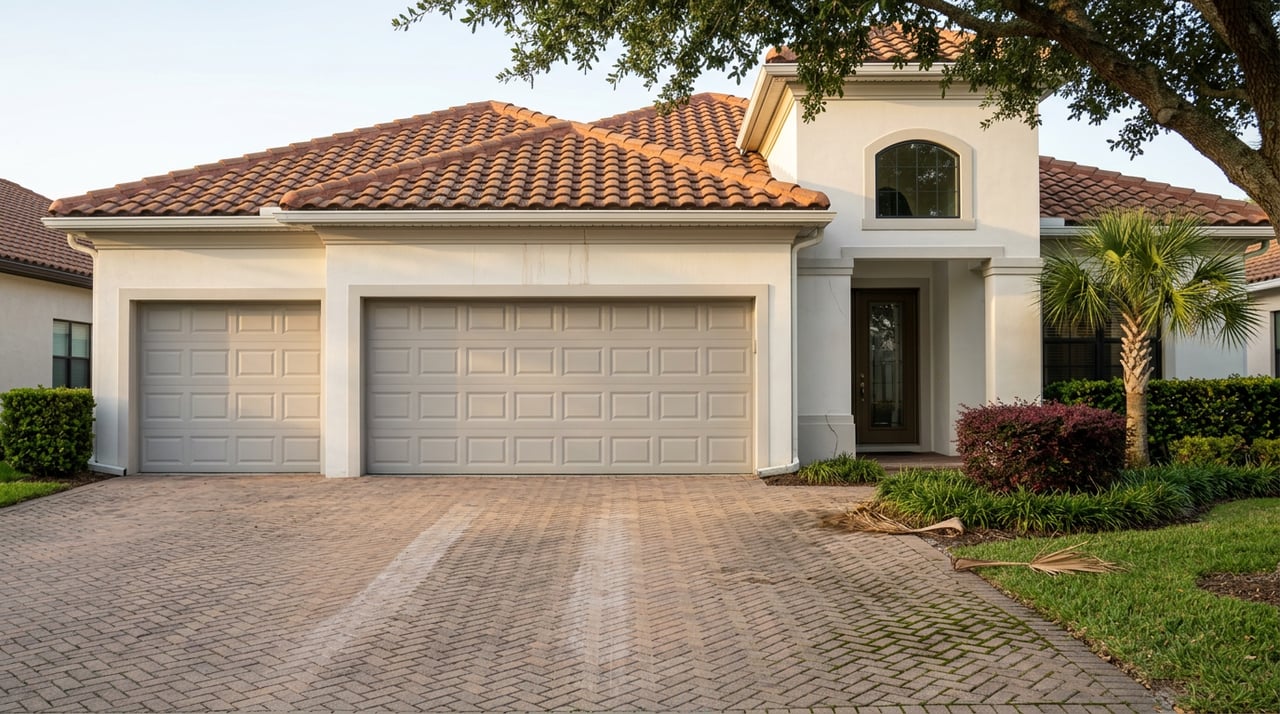
If St. Johns County feels like it has been changing fast, you are not imagining it. More people are moving in, new housing is being added, and public investment is expanding alongside that growth. If you are thinking about buying or selling here, understanding what is behind those shifts can help you make a smarter move. Let’s dive in.
St. Johns County growth by the numbers
St. Johns County continues to grow at a notable pace. The county’s 2026 economic overview lists the 2024 population at 334,928, while Census QuickFacts places the July 1, 2025 population estimate at 346,328. That is a 26.7% increase from the April 2020 base.
This is not just population growth on paper. The county also reported 108,827 households, a median household income of $106,200, and a median age of 44.4. Nearly half of adults age 25 and older have a bachelor’s degree or higher, which helps explain why the area continues to attract a wide range of buyers.
The housing profile also shows a market with strong long-term ownership. The owner-occupied housing rate is 82.2%, the median owner-occupied home value is $489,200, and median monthly owner costs with a mortgage are $2,351. Median gross rent is $1,922.
Why growth is affecting housing demand
Growth matters because it influences both demand and expectations. More households, a growing labor force, and continued interest in Northeast Florida create steady pressure on the housing market, even when the pace of sales cools.
St. Johns County says its 2025 labor force reached 158,270, with unemployment at 4.2%. The county also reports that the labor force has grown by more than 40% over the past decade.
That matters for buyers and sellers alike. A larger job base can support housing demand, while a broader age mix can create overlapping needs across different life stages. Census data show 21.2% of residents are under 18 and 21.6% are age 65 or older, which points to demand from more than one type of household at the same time.
Planning is shaping where growth goes
One of the most important parts of this story is that county growth is not happening without oversight. St. Johns County planning staff say they plan for population, employment, infrastructure, social growth, and cultural growth based on community vision, population projections, past development trends, and state growth-management rules.
That planning work affects how land is used and how new housing moves forward. The county reviews land use applications, rezonings, special-use permits, and planned unit developments for consistency. It also maintains a Development Tracker that maps active permitting and rezoning activity.
The county’s long-range planning is also evolving. The 2050 Comprehensive Plan is moving through adoption and is expected to replace the current 2025 plan. For buyers and sellers, this is a reminder that future housing supply, traffic patterns, and surrounding development are all tied to county planning decisions.
Housing options remain part of the plan
The county’s Housing Element calls for varied densities, urban infill, and a mix of market-rate and affordable workforce housing. It also supports extending community facilities and infrastructure concurrent with need.
The same planning framework continues to permit mobile and manufactured homes as lower-cost housing options. In addition, the county has Live Local Act guidance and an Affordable Housing Advisory Committee focused on encouraging affordable housing while protecting property value.
That does not mean every area will feel the same. It does mean the county is actively planning for a broader range of housing types as growth continues.
Infrastructure is a major part of the market story
Housing growth only works when roads, utilities, and public systems can keep up. In St. Johns County, infrastructure investment is a major part of how growth is being managed.
The county says it completed 61 capital projects in 2025 and has 59 more scheduled for 2026, totaling more than $820 million. That scale of investment matters because it supports both current residents and future development.
Utility expansion is one example. The SR 207 Water Reclamation Facility is expected by Summer 2026 with an initial capacity of 3.25 MGD and future expansion to 6.5 MGD.
Road improvements are also part of the picture. The county’s 2026 legislative plan prioritizes widening SR 16/CR 16A, upgrading County Road 2209, and improving International Golf Parkway at I-95.
Why buyers should watch infrastructure
If you are buying in St. Johns County, growth is not just about the home itself. It is also about how the area around that home may function over time.
The county’s transit development plan serves as a 10-year strategic guide, and the utilities department says it is expanding system capacity, replacing aging infrastructure, and extending service to new areas. The mean commute time is 26.9 minutes, so access and daily travel should remain part of your home search.
In practical terms, that means looking beyond finishes and square footage. You may also want to pay attention to nearby road projects, service expansion, and the pace of surrounding development when comparing locations.
What the latest housing data show
Even with strong long-term growth, today’s market looks more balanced than overheated. Recent data from Redfin, Zillow, and Realtor.com point to more available inventory and pricing that is relatively steady rather than surging.
Redfin reports a March 2026 median sale price of $485,000, median days on market of 99, a sale-to-list ratio of 97.2%, and 8.6% of homes selling above list price. Zillow’s April 2026 snapshot shows a typical home value of $489,323, 3,053 homes for sale, a median sale-to-list ratio of 0.969, a median sale price of $480,000, and 5.7% of sales above list price.
Realtor.com’s March 2026 county report shows about 5.1K active listings, a median listing price of $539.3K, median days on market of 60 days, and a 98% sales-to-list ratio. While each source measures the market a little differently, the broad trend is consistent.
Prices are elevated, but not accelerating sharply
Across these sources, prices are flat to slightly lower year over year. Redfin shows a 0.59% decline in median sale price, Zillow shows a 3.2% decline in typical home value, and Realtor.com shows a 1.78% decline in median sale price.
That does not point to a collapsing market. Instead, it suggests normalization. St. Johns County still has elevated prices, but the market is no longer behaving like a rapid appreciation cycle.
What this means for sellers
If you are selling in St. Johns County, growth still helps support interest in the market. But growth alone is not enough to carry a listing the way it might have in a more frenzied period.
Homes are taking roughly 52 to 99 days to pend or sell, depending on the source. Only about 5.6% to 8.6% of homes are selling above list price.
That means buyers are more selective. Condition, pricing, and presentation matter more when the market offers more options.
Seller strategy matters more now
In a more normalized market, the most effective sellers usually focus on the basics and execute them well:
- Price from current market data, not from peak-market expectations
- Prepare the home so it shows clean, cared for, and move-in ready when possible
- Pay attention to timing, especially if you are also planning a purchase
- Understand how your home compares to current competition in your part of the county
This is where local strategy becomes important. One neighborhood, price point, or property style may perform very differently from another, even within the same county.
What this means for buyers
If you are buying, growth can create more choices than you may have seen in tighter market conditions. More listings and slightly softer pricing trends can give you room to be thoughtful.
Still, this is not a market where discipline stops mattering. Sale-to-list ratios remain close to full asking price, which tells you that well-positioned homes still draw serious interest.
Buyers have more choice, but not endless leverage
A practical approach for buyers in St. Johns County includes:
- Narrowing your search by location, commute, and daily lifestyle needs
- Watching nearby infrastructure and development plans as part of your decision
- Comparing asking price to recent sale trends, not just to online estimates
- Being ready to act when a well-priced home in the right location becomes available
The clearest takeaway is that growth is broadening the supply pipeline without fully removing competition. You may have more inventory to choose from, but value and location still matter.
The bottom line on St. Johns County housing
Growth is still a defining force in the St. Johns County housing market. Population gains, labor force expansion, planning activity, and major infrastructure investment are all shaping how the county evolves.
At the same time, the market itself looks more measured than explosive. Prices remain high, but recent data suggest a steadier environment where buyers have more choice and sellers need a sharper strategy.
If you are planning a move here, the opportunity is not just in tracking headlines. It is in understanding how county growth, local inventory, and your timing come together in the specific area you are considering. For personalized guidance on buying or selling in St. Johns County, connect with Shonda Campanaro.
FAQs
How fast is St. Johns County growing?
- St. Johns County’s July 1, 2025 population estimate was 346,328, which Census QuickFacts says is 26.7% higher than the April 2020 base.
What is the median home value in St. Johns County?
- Recent figures are very close. Census QuickFacts lists the median owner-occupied home value at $489,200, and Zillow’s April 2026 snapshot shows a typical home value of $489,323.
Is the St. Johns County housing market still competitive?
- Yes, but it is more balanced than it was during faster appreciation periods. Recent sale-to-list ratios range from about 96.9% to 98%, and only a small share of homes are selling above list price.
Why does infrastructure matter when buying in St. Johns County?
- Infrastructure affects daily life and long-term area function. The county is investing more than $820 million across 2025 and 2026 capital projects, including roads, utilities, and capacity expansion tied to growth.
What should sellers know about listing a home in St. Johns County right now?
- Sellers should expect a more selective market. Recent data show longer marketing times than in a peak frenzy, so pricing, condition, and presentation play a bigger role in attracting strong offers.