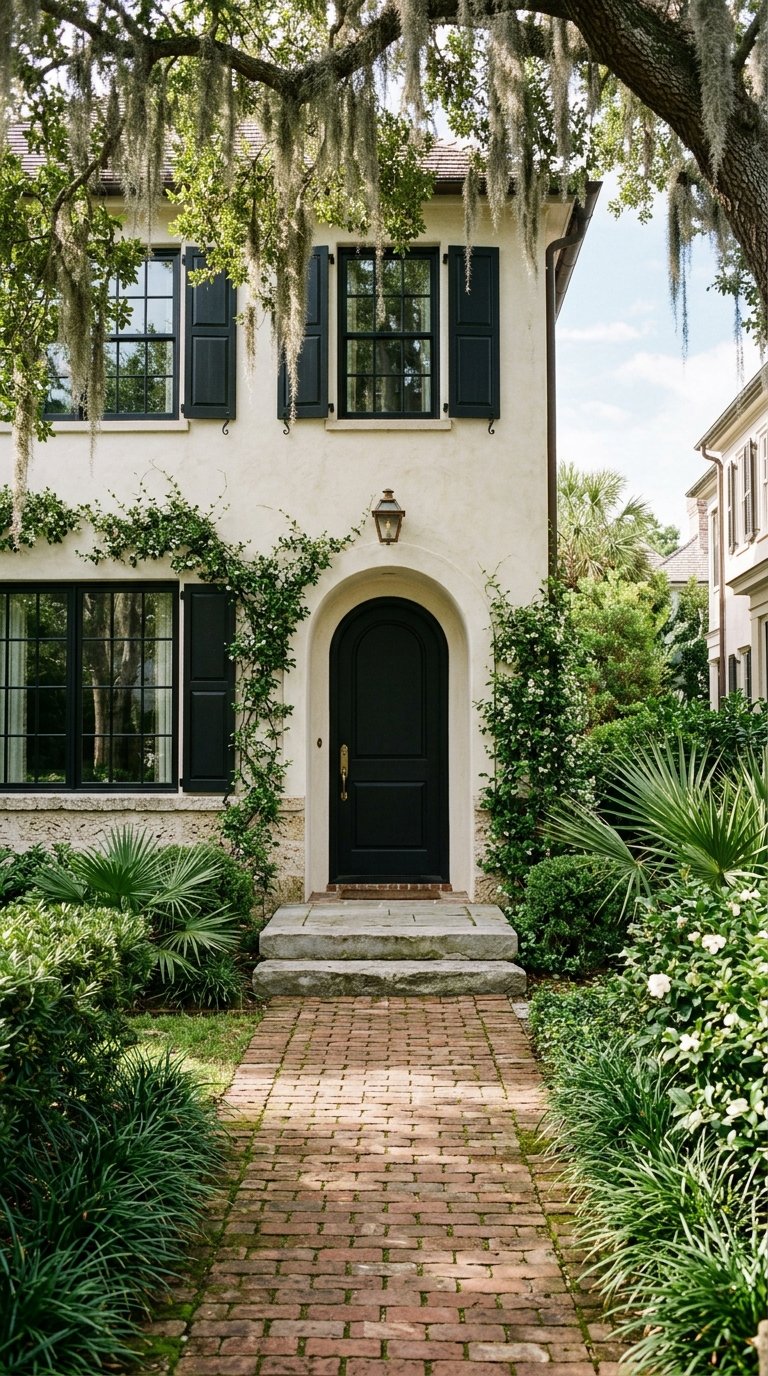
Are you torn between the charm of historic St. Augustine and the laid-back appeal of beachside living? It is a common question, especially if you are relocating or trying to narrow down which part of St. Augustine best fits your daily routine. The good news is that both areas offer a distinct lifestyle, and understanding how they differ can make your home search much clearer. Let’s dive in.
Historic St. Augustine at a Glance
Historic St. Augustine is the city’s original core and one of its most distinctive features. The area is recognized by the National Park Service as the earliest surviving example of a European planned community laid out as a 16th-century Spanish colonial town.
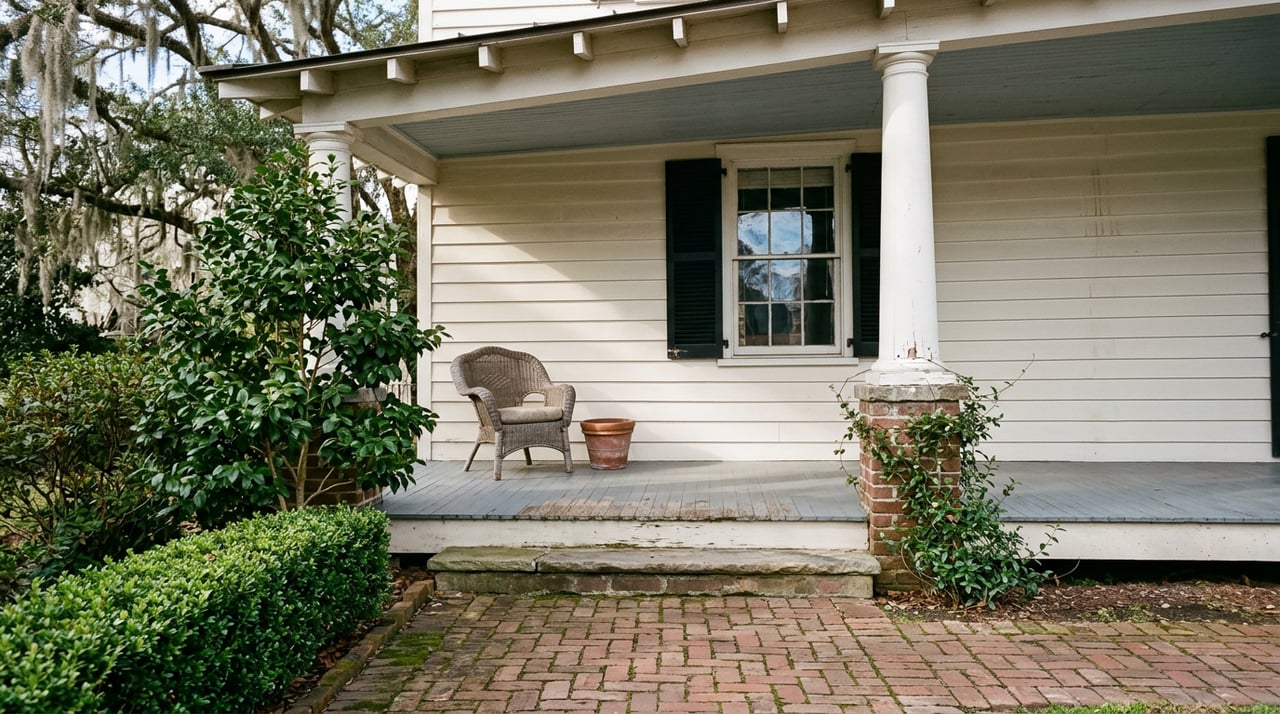
That history still shapes everyday life there. You will see narrow streets, preserved buildings, and a stronger emphasis on architectural standards, signage rules, and demolition review than in other parts of the city. If you are drawn to older architecture, a compact street layout, and a strong sense of place, this area often stands out.
Beachside Living at a Glance
Beachside living usually refers to Anastasia Island and St. Augustine Beach. While these communities sit close to downtown, they feel different in both layout and lifestyle.
Anastasia Island is a 14-mile barrier island bordered by the Atlantic Ocean and the Matanzas River. Official descriptions highlight beaches, parks, residential areas, resorts, and attractions like the lighthouse, amphitheatre, and state park. In daily life, that often translates to a more coastal rhythm with easier access to outdoor recreation and water-focused activities.
Built Environment and Daily Feel
Historic Core Character
Downtown St. Augustine feels compact, layered, and preservation-focused. Many buildings date back to the 1700s, and the city has clear historic preservation zoning districts and architectural guidelines in place.
That creates a setting with character and visual continuity. It also means the area can feel more structured in how properties are maintained or changed. If your lifestyle leans toward strolling, dining, and enjoying a neighborhood with deep historical context, the historic core may feel like a natural fit.
Beachside Character
Beachside areas feel more open and spread out. Rather than centering on preservation, the island communities are more closely tied to shoreline access, parks, and coastal attractions.
You may find that everyday routines here revolve more around the beach, local parks, and event venues. For buyers who picture morning walks near the ocean, more casual coastal surroundings, and a recreation-forward setting, beachside living often checks those boxes.
Walkability and Getting Around
Walkability in Historic St. Augustine
If walkability is high on your list, historic downtown has the edge. Official descriptions of the area emphasize strolling between museums, historic churches, restaurants, shops, and live music venues within a compact street network.
That said, walkability comes with tradeoffs. Downtown streets were originally designed for foot traffic, horses, and carriages, not modern traffic volume, so roads can be narrow and parking can be limited.
Driving and Access Beachside
Beachside living is more dispersed and more car-oriented. Public parking is available at several A1A locations and beach ramps, and county beach rules also allow vehicles on the beach during posted hours with passes, designated driving lanes, and a 10 mph speed limit.
You can still bike or walk in certain areas, especially near the beach and popular venues, but your daily routine may involve driving more often than it would downtown. For some buyers, that tradeoff is worth it for direct water access and a less compact layout.
Parking Differences Matter
Downtown Parking Reality
Parking is one of the clearest practical differences between the two lifestyles. In historic downtown, parking is more centralized but also more limited.
The Historic Downtown Parking Facility has 1,200 spaces and sits near the Visitor Information Center. It is within walking distance of St. George Street, San Marco Avenue, Castillo de San Marcos National Monument, and Francis Field. City lots and meters are posted at $2.50 per hour, while the garage is $20 per entry, with discounted rates for St. Johns County residents.
Beachside Parking Patterns
Beachside parking is more spread out. The City of St. Augustine Beach lists public parking in multiple locations, especially near beach access points and ramps.
Parking here is tied more closely to beach use, park access, and event activity. If you plan to spend a lot of time near the shore, understanding where public lots, ramps, and beach driving rules apply becomes part of daily life.
Dining, Arts, and Nightlife
Downtown Food and Culture
Historic downtown has the denser mix of dining, arts, and nightlife. Official listings describe waterfront dining, historic taverns, craft cocktail bars, local boutiques, museums, and galleries concentrated around places like Matanzas Bay, St. George Street, and Aviles Street.
The St. Augustine Art Association is also downtown and hosts monthly juried exhibitions. If you enjoy being near galleries, live music, and a larger cluster of restaurants in one walkable area, downtown offers a stronger concentration.
Beachside Events and Entertainment
Beachside culture has a different rhythm. Anastasia Island is known for seafood dining, live music, and a beach-town nightlife feel.
The St. Augustine Amphitheatre is a major draw, hosting more than 70 performances a year. Its Saturday Farmers Market and Night Market add another layer of local activity with food, art, coffee, drinks, and live music. If you want your weekends shaped by outdoor events and coastal venues, the island offers a strong lifestyle match.
Outdoor Access and Green Space
Historic Core Outdoors
Downtown offers scenic public spaces, but they are more civic in character than beach-oriented. The city’s parks system includes smaller spaces like Menorcan Park and Twine Park, along with larger public areas such as Francis Field and Bayfront Park.
You can enjoy waterfront walks along Matanzas Bay and spend time in attractive public spaces, but this is not a beach neighborhood. For some buyers, that is perfectly fine because the appeal is more about history, views, and walkable public places.
Beachside Recreation
Beachside living clearly leads when it comes to outdoor recreation. Anastasia State Park covers more than 1,600 acres and includes four miles of protected shoreline, tidal marshes, trails, kayak rentals, and camping.
Spyglass Beachfront Park adds beach access with parking, a boardwalk, restrooms, and showers. Other local beach parks offer pier access, shoreline parking, and more boardwalk entry points. If you want outdoor activity woven into everyday life, the island lifestyle is hard to ignore.
How Easy Is It to Move Between Them?
One of the best things about choosing between historic St. Augustine and the beachside areas is that you are not choosing isolation. The two are connected by the Bridge of Lions, and SR 312 and SR 206 provide additional access routes.
That means you can live in one setting and still enjoy the other with relative ease. You might choose downtown for its walkability and still spend beach days on Anastasia Island, or choose beachside living and head downtown for dinner, galleries, or events.
Which Lifestyle Fits You Best?
The better choice depends less on which area is objectively better and more on how you want your days to feel. Historic St. Augustine tends to suit buyers who value architecture, walkability, and a lively street atmosphere built around history and culture.
Beachside living tends to suit buyers who want direct access to the water, larger outdoor recreation options, and a more coastal, car-oriented routine. Because the two areas are close together, your decision often comes down to what you want just outside your front door every day.
If you are comparing both areas from afar or trying to narrow down the right fit for your next move, working with a local guide can make the process much more practical. For personalized help exploring St. Augustine’s historic and beachside options, connect with Shonda Campanaro.
FAQs
Which area in St. Augustine is more walkable?
- Historic downtown is generally more walkable because restaurants, museums, shops, churches, and live music venues are grouped within a compact street network.
Which area in St. Augustine offers better beach access?
- Beachside areas like Anastasia Island and St. Augustine Beach offer better beach access, with multiple beach parks, shoreline entry points, and state park access.
How does parking differ between historic St. Augustine and beachside areas?
- Downtown parking is more centralized and limited, with city meters, lots, and a parking garage, while beachside parking is more dispersed around beach ramps, A1A access points, parks, and event areas.
Can you easily travel between downtown St. Augustine and Anastasia Island?
- Yes. The Bridge of Lions connects downtown to Anastasia Island, and SR 312 and SR 206 offer additional routes between the two areas.
Which area in St. Augustine has more dining and nightlife?
- Historic downtown has the denser mix of dining, galleries, bars, and nightlife, while beachside offers a more casual coastal scene with live music and event venues like the amphitheatre.